
NEWS CENTER
HOT PRODUCTS
-
CATL forklfit lithiu...
-
3.2V 100ah 6C high r...
-
24V forklift battery...
-
certified 9.6V/16V/2...
-
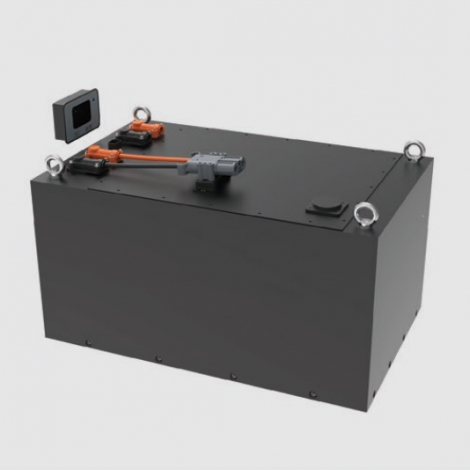
51.2V Forklift li-i...
-
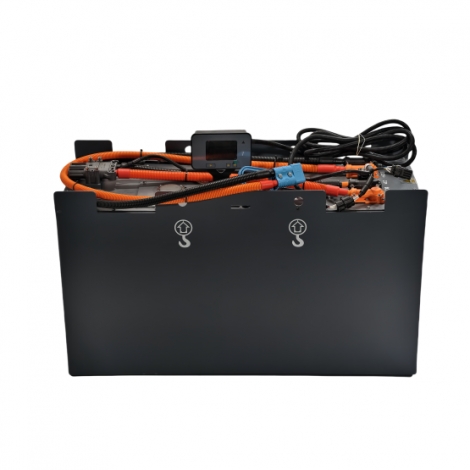
48V 80V Forklift LiF...
-
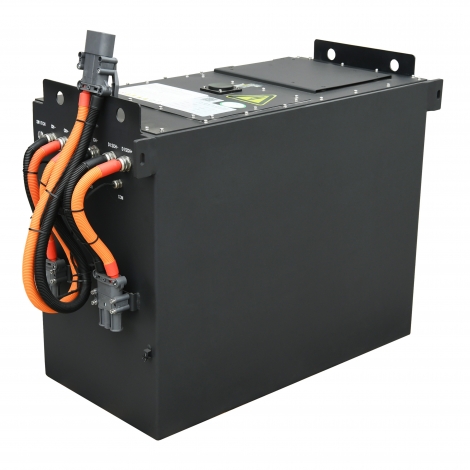
51.2V/83.2V Forklift...
-
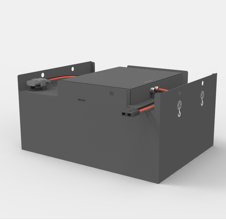
51.2V/83.2V Forklift...
-
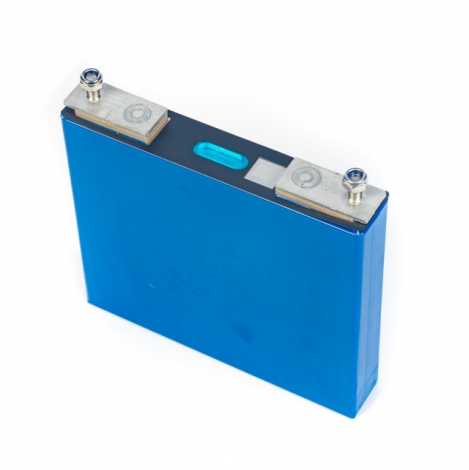
-45degree lifepo4 ce...
-
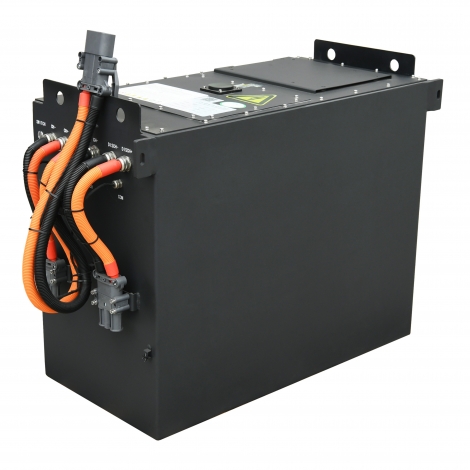
48V 500ah Forklift L...
-
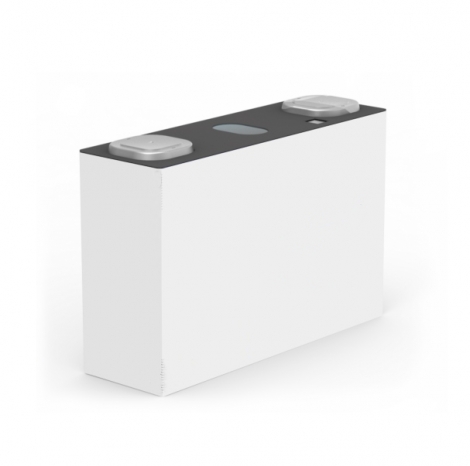
lifepo4 cell 3.2V 10...
-
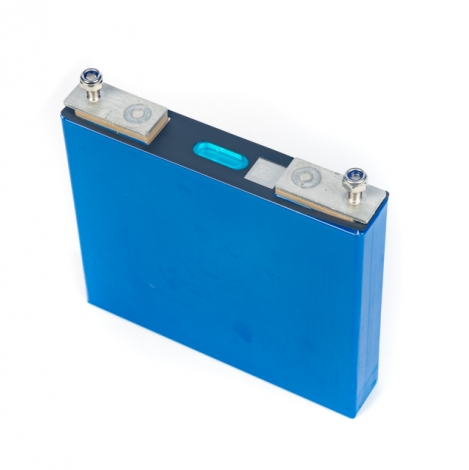
UPS, 50ah 3C/6C hig...
-
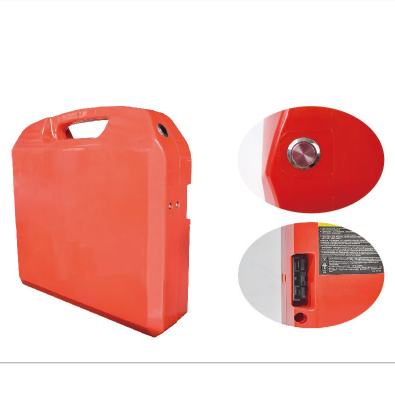
Heli 24V 40ah electr...
-
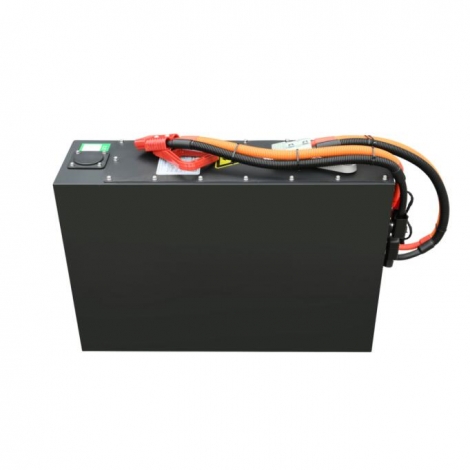
CATL 24V forklift li...
-
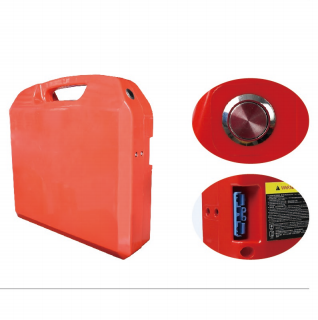
Heli 48V 30ah electr...
1.45 million units! Forklift sales to reach a new record high in 2025.
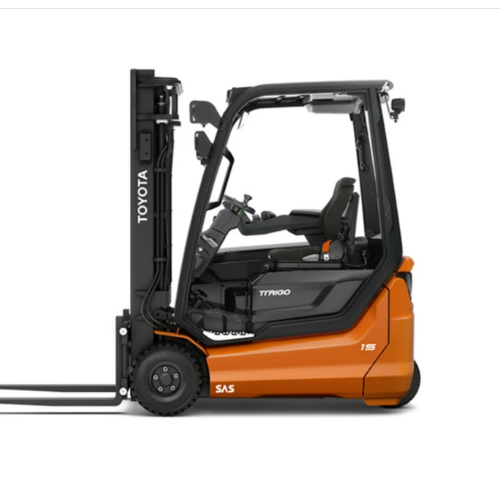
From 327,626 units in 2015 to 1,451,768 units in 2025, my country's forklift sales have increased by 343% in 10 years! The compound annual growth rate reached 16.05%.
According to statistics from the China Construction Machinery Association, forklift manufacturers included in the association's statistics sold a total of 1.45 million forklifts of various types in 2025, a year-on-year increase of 12.93%, breaking historical sales records for the third consecutive year.
Looking at monthly sales, although December's forklift sales of 110,000 units only increased slightly by 0.03% year-on-year, it still continued to break historical monthly sales records. Looking at the annual trend, forklift sales continued to improve, with only January experiencing a 15.4% decline due to the Spring Festival factor; all other months achieved positive year-on-year growth, and nine months saw year-on-year increases exceeding 10%.
In the domestic market, a total of 906,812 forklifts were sold throughout the year, a significant increase of 285% compared to 235,640 units in 2015, and sales have been steadily increasing over the past decade. Looking at monthly figures, domestic forklift sales fluctuated. Excluding the dramatic changes caused by the Spring Festival in January and February, the 5.17% year-on-year decline in December marked the worst performance of the year; however, the overall trend remains upward.
From the demand side, domestic manufacturing and logistics demand are driving strong support for forklift sales. Upgrading in manufacturing, lean production, and production line automation are driving the essential demand for forklifts in production lines and warehousing logistics. The explosive growth of e-commerce, cold chain logistics, and express delivery is creating demand for specialized forklifts such as high-reach, narrow-aisle, and explosion-proof models. Meanwhile, rising labor costs are highlighting the economic advantages of forklifts in replacing manual handling, especially in labor-intensive warehousing and manufacturing sectors, where policy subsidies and equipment upgrade funds are accelerating replacement of existing stock. Furthermore, the increasing maturity and declining cost of lithium battery technology are leading to a rapid increase in the penetration rate of electric forklifts, creating a synergy between increased sales and replacement of existing stock.
Now let's look at export performance. In 2025, forklift exports totaled 544,956 units, a significant increase of 492% compared to 91,986 units in 2015, representing a ten-year compound annual growth rate of 19.47%. Notably, forklift exports achieved positive year-on-year growth for all 12 months of the year, setting new sales records for the same month for 22 consecutive months.
Overall, the upward trend in forklift exports remains stable, with continued expansion expected in overseas markets. On one hand, the recovery of overseas manufacturing and logistics industries, coupled with the clear advantages of domestically produced forklifts in lithium battery technology, cost control, delivery time, and cost-effectiveness, and the deepening globalization of leading companies, have led to increased overseas market share for high-value-added models. On the other hand, infrastructure expansion, manufacturing relocation, and the rise of e-commerce in emerging economies such as Southeast Asia, the Middle East, and Africa are driving forklift demand. Another noteworthy factor is the increasingly stringent global environmental regulations; China's mature electric forklift technology aligns with the green transformation needs of overseas markets, leading to an upgrade in the export product structure towards electrification and intelligentization.
In summary, the growth in forklift sales, both domestically and internationally, stems from a convergence of demand, policy, technology, and cost factors. Export growth is exceeding domestic sales growth, and global electrification and intelligentization will be the long-term main themes. Faced with both opportunities and challenges, companies need to focus on upgrading lithium battery technology, developing intelligent products, building overseas channels, and providing after-sales service, while seizing opportunities in emerging markets and high-end niche markets to gain a competitive edge.
 Send Email
 WhatsApp
 Skype
Skype 18963643619
 QQ
QQ